Meet Totoro, Studio Ghibli’s gentle forest spirit, his unusual companions, and the world of nature and imagination in My Neighbor Totoro.
Who Is Totoro? Meet Studio Ghibli’s Gentle Forest Spirit
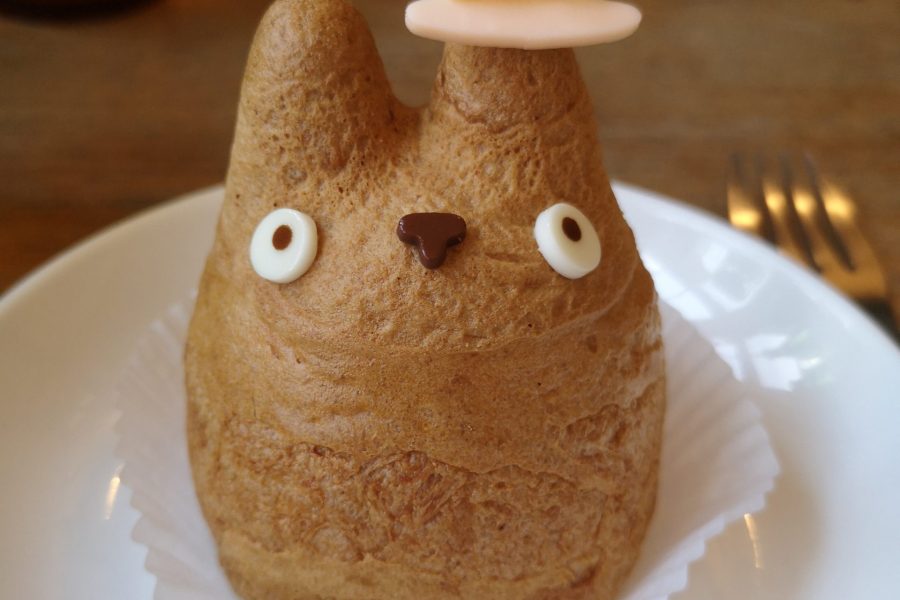
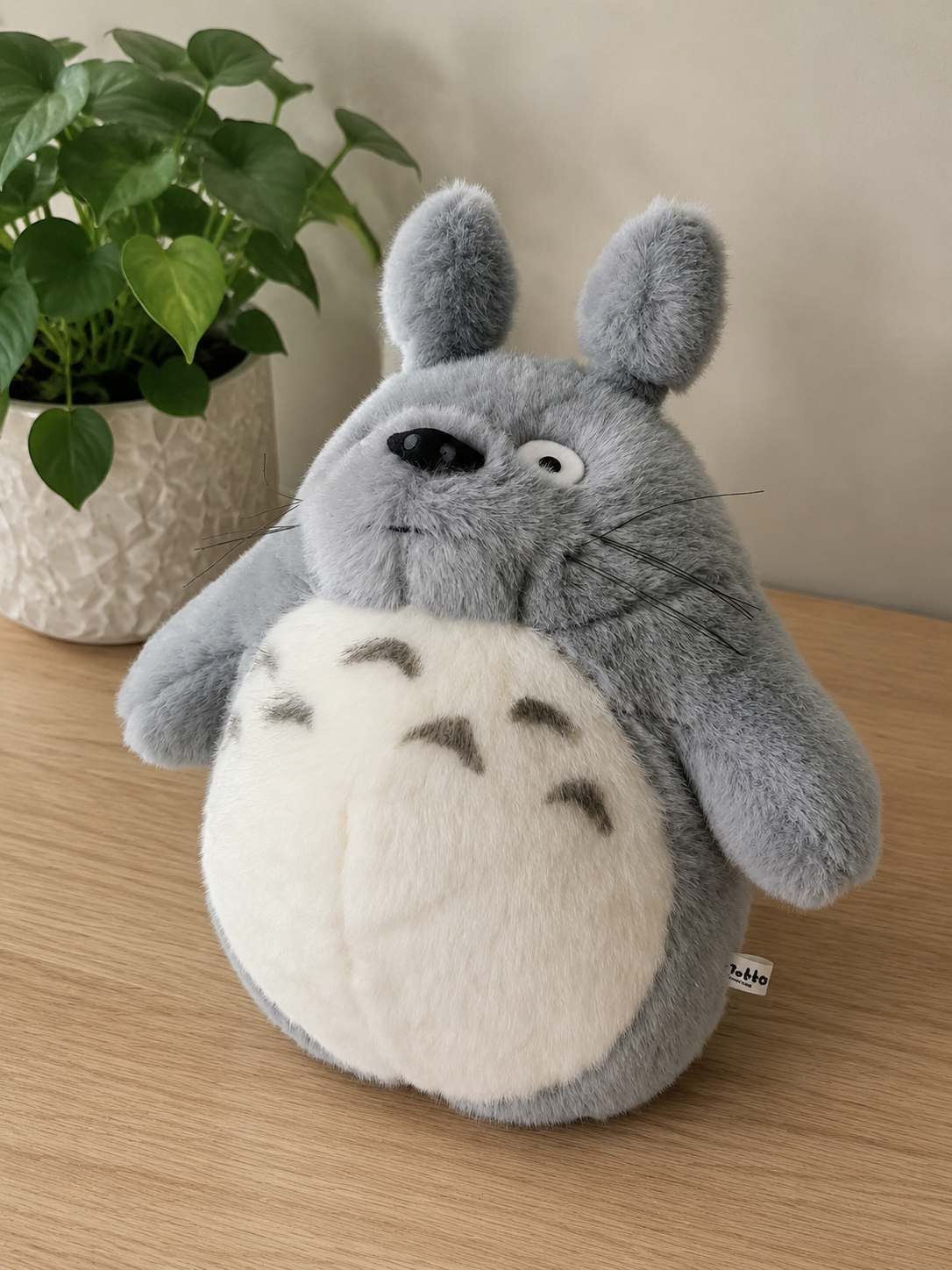
You may recognize Totoro before you know his story: pointed ears, whiskers, a broad gray body, and a pale belly marked with little shapes.
On a bag or a stationery set, he might be holding a leaf or standing beside an umbrella. Watch My Neighbor Totoro, and those familiar details become part of a much larger world—one filled with trees, rain, small discoveries, and two curious sisters.
Totoro is cute, certainly. But his appeal also comes from the way he makes an ordinary landscape feel as though something unexpected could be waiting nearby.
Where Does Totoro Come From?
Totoro appears in My Neighbor Totoro, the Studio Ghibli film written and directed by Hayao Miyazaki and released in Japan in 1988.
The story follows sisters Satsuki and Mei as they move to the countryside with their father while their mother is in the hospital. Exploring their new surroundings brings them into contact with unusual creatures, including the enormous forest spirit Totoro.
The family’s everyday life gives the fantasy somewhere to belong. A new house, an unfamiliar path, or a wait in the rain can become the beginning of an encounter.
You can find the film’s credits and a collection of stills on Studio Ghibli’s official My Neighbor Totoro page.
What Kind of Creature Is Totoro?
Totoro is a fictional forest spirit, rather than a particular animal. His ears, whiskers, paws, and rounded body may remind you of several creatures, but trying to identify him as a cat or rabbit misses some of the fun.
He belongs to the film’s own world.
His size is part of the surprise. A plushie makes him look like someone you could carry around, while the film presents a creature large enough to make a child seem very small beside him.
That contrast helps him feel both approachable and mysterious. He can be sleepy and still, then suddenly open an enormous mouth or break into a spectacular grin.
The Other Creatures Around Him
The Smaller Totoros
The large gray Totoro is accompanied by smaller blue and white creatures.
Their shared shapes connect them visually, but their different sizes give the group a playful sense of scale. If you have seen a tiny white figure beside a much larger gray one on merchandise, you have already encountered this part of the cast.
The Catbus
The Catbus takes the idea of an animal character in a wonderfully strange direction: a huge cat whose body also serves as a bus.
Its many legs, broad grin, windows, and furry interior make it quite different from Totoro, yet it feels at home in the same imaginative world.
It is the kind of design that becomes more interesting the longer you look at how its parts fit together.
The Soot Sprites
The small, dark, fuzzy creatures in the sisters’ new house add another scale again.
They turn a shadowy corner into somewhere worth investigating. Beside Totoro’s enormous presence, these tiny figures show how little a creature needs to make a scene memorable.
Why Nature Matters to Totoro’s Story
Trees, growing things, weather, and country paths are more than scenery in My Neighbor Totoro. The sisters discover the unfamiliar by paying attention to what is around them.
One way to read the film is as an invitation to share that curiosity. A large tree can be impressive before anything magical happens beneath it. Rain can change the sound and feeling of a familiar place.
Totoro’s presence builds on those experiences. The fantasy feels connected to the landscape instead of arriving from a completely separate world.
That connection also explains why leaves, acorns, and woodland colors work so naturally in Totoro designs. They refer back to the setting that gives the character much of his atmosphere.
Cute, but Not Always Smiling
Totoro does not need a cheerful expression in every scene to be endearing.
His silhouette does a great deal of the work: upright ears above a large rounded body, with comparatively small limbs. His poses and expressions can then shift between calm, surprise, curiosity, and exuberance.
The contrast between stillness and sudden movement gives him personality. A quiet face can be just as recognizable as that enormous grin.
Our guide to kawaii characters introduces other favorites whose expressions and personalities take cuteness in different directions.
Start With the Film
If your introduction to Totoro has been through plushies or accessories, watching the film gives those designs context.
You can discover why a particular scene, object, or companion keeps appearing around him. It also gives you a chance to enjoy the relationship between the sisters, rather than meeting their unusual neighbor in isolation.
There is worry in the story as well as wonder, especially around their mother’s illness. That emotional background gives the gentle and playful moments more weight.
Leave yourself room to enjoy the film without needing every creature or event fully explained.
Totoro Beyond the Screen
For fans visiting Japan, the Ghibli Museum in Mitaka and Ghibli Park in Aichi are separate places.
The Ghibli Museum explores animation and Ghibli’s worlds. Its soft Catbus play area is reserved for children aged 12 and under; it is not a moving ride.
At Ghibli Park, Dondoko Forest includes a recreation of Satsuki and Mei’s house. Check the official sites when planning, as access arrangements and tickets can change.
You can also enjoy the character much closer to home. An illustrated notebook may capture a favorite scene, while a plushie emphasizes his familiar shape. If you choose a plush, our kawaii plushie care guide covers cleaning and storage.
Whether you meet him first on a shelf or beneath the trees in the film, Totoro offers something worth looking at twice. Behind that simple face is a world where an ordinary afternoon can become an adventure.