Discover how to grow crops, earn carrots, use fertiliser, and find Strange Crops in Tsuki’s Odyssey.
Tsuki’s Odyssey Farming Guide: Crops, Carrots, and Helpful Tips
Farming is one of the easiest ways to earn carrots in Tsuki’s Odyssey. Your little farm in Mushroom Village produces a steady supply of carrots that you can spend on furniture, decorations, and other items.
But there’s more to farming than harvesting carrots. You can grow pumpkins and watermelons, experiment with fertiliser, and discover different ways to use your farm.
Here’s how to get started and make the most of your farm without turning the game into a chore.
How Farming Works in Tsuki’s Odyssey
Your farm becomes available after the game’s tutorial.
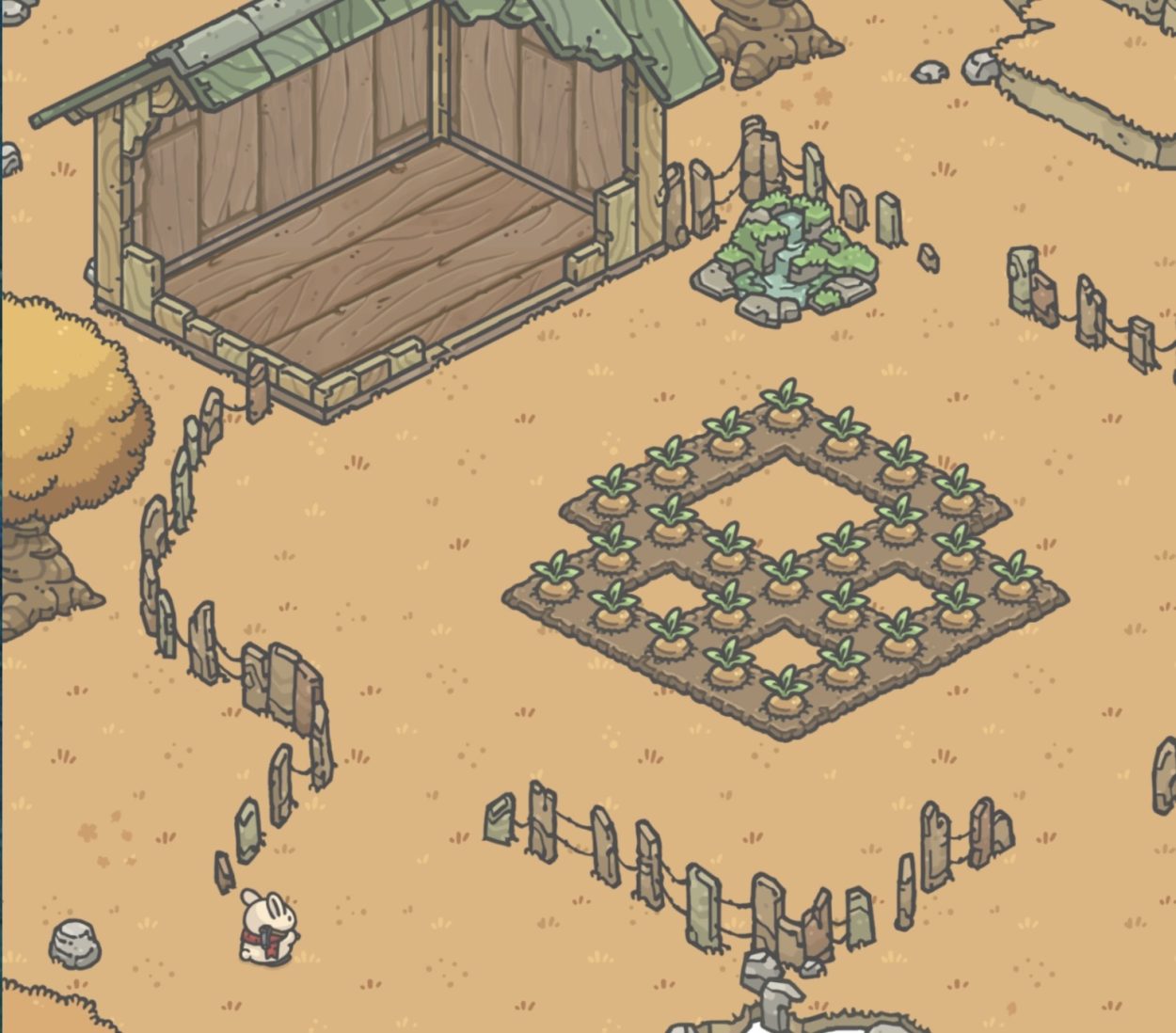
The basic farm has 25 plots planted with carrots. Each plot produces 20 carrots every two hours, giving you 500 carrots per full harvest.
You can collect the ready crops individually or tap the sickle icon to harvest them together.
Carrots grow again automatically, so you don’t need to buy new carrot seeds after every harvest.
If you only open the game once or twice a day, that’s fine. You’ll earn fewer carrots than someone who checks regularly, but there’s no need to follow a strict schedule.
Growing Pumpkins and Watermelons
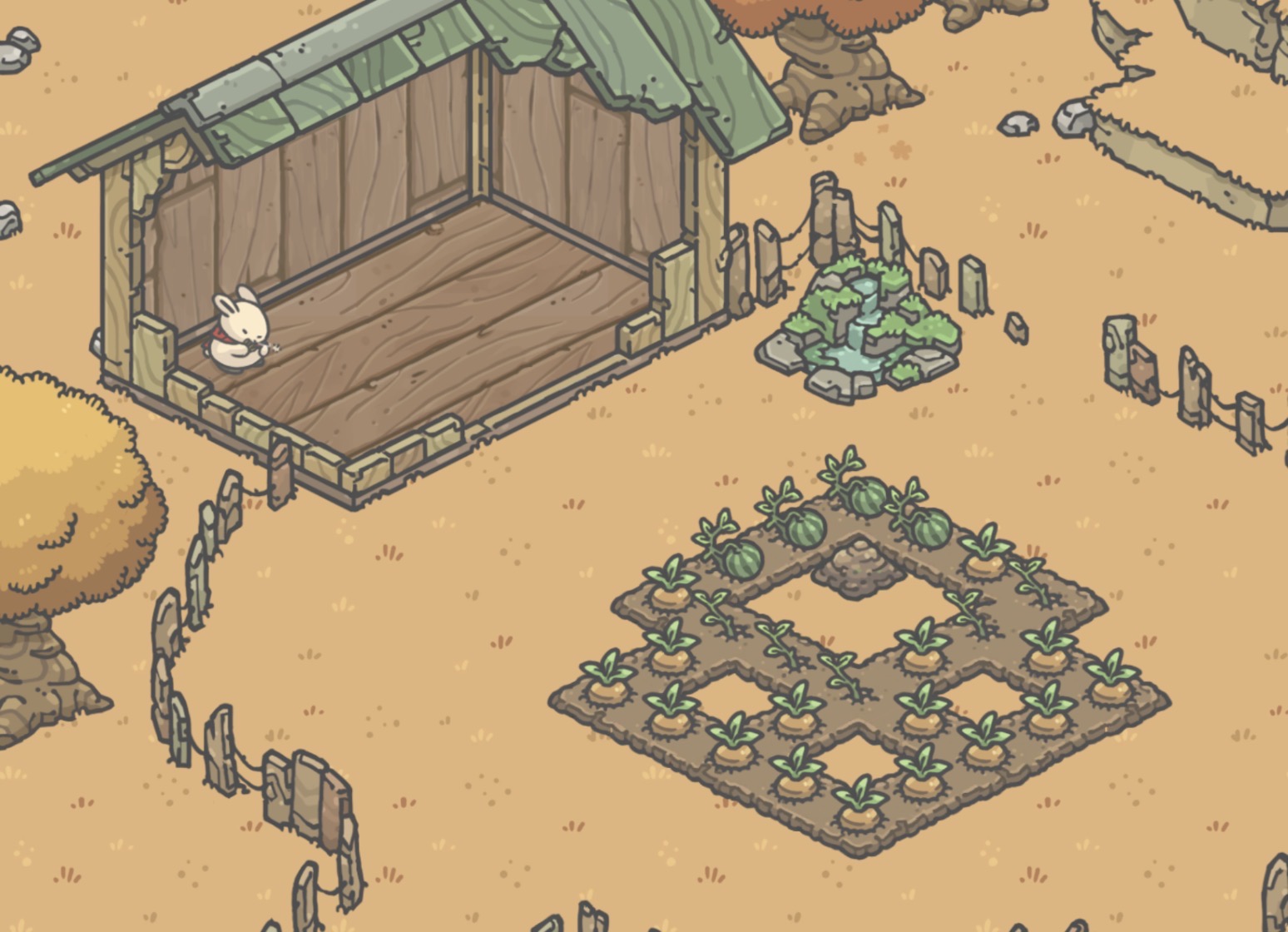
Once you’ve settled into farming, visit Rosemary’s Plant Shop to look for other seeds.
Pumpkins and watermelons are available without purchasing Homecoming. Unlike carrots, their seeds are used up when you harvest them, so you need to replant after each harvest.
Pumpkins
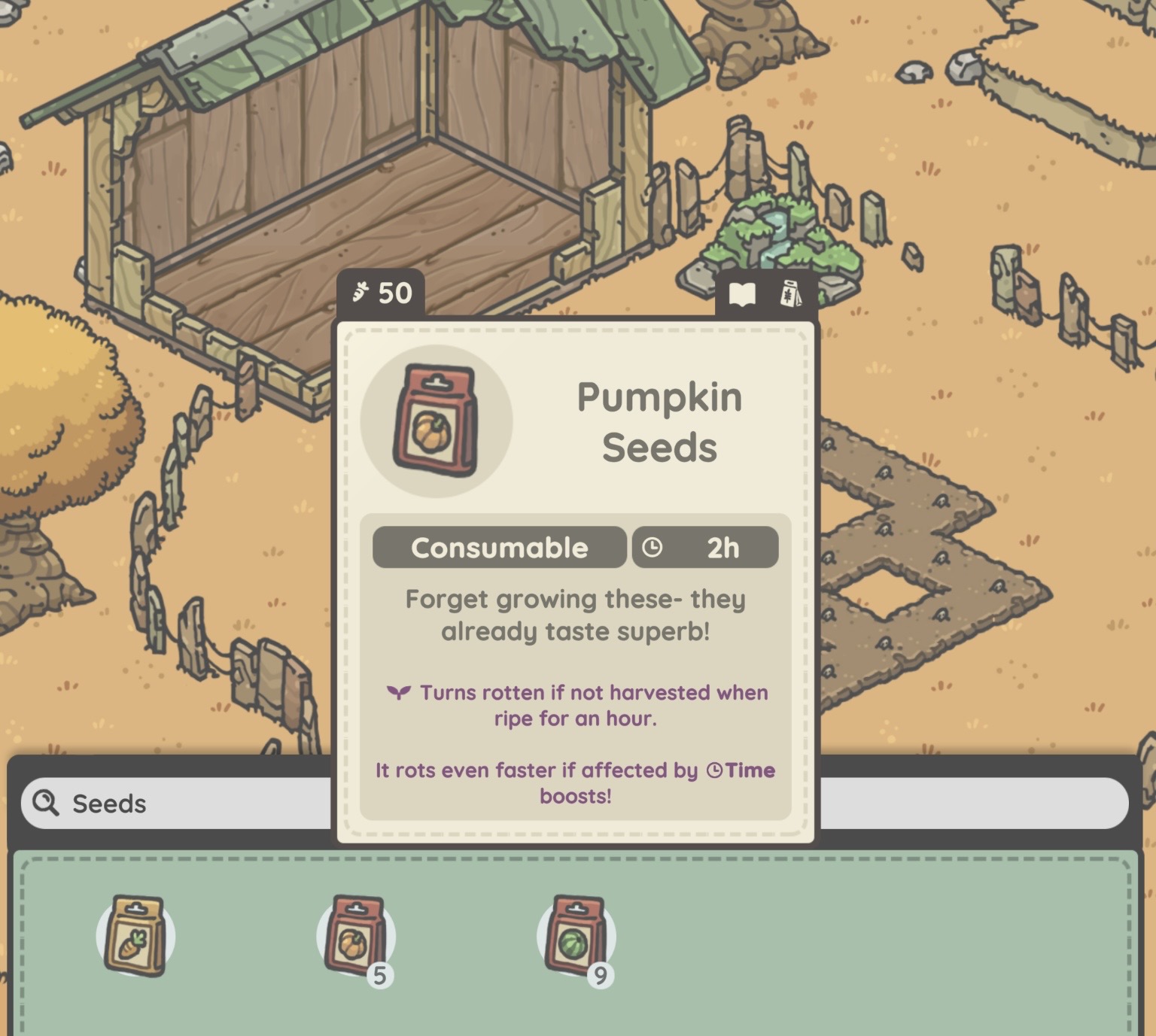
Pumpkins normally take two hours to grow. A packet of five seeds costs 250 carrots, and each pumpkin sells for 100 carrots.
There’s one important catch: pumpkins normally rot about one hour after ripening, and a rotten pumpkin sells for just one carrot. Growth boosts can shorten that window.
If you’re likely to forget about your farm, pumpkins might not be the best choice.
Watermelons
Watermelons take six hours to grow, but they don’t have the same rotting problem.
A packet of five seeds costs 300 carrots. Each watermelon sells for 200 carrots, so a full packet produces 1,000 carrots in sales.
Watermelons are a convenient choice when you know you won’t be checking the game for several hours.
For example, you can plant them before bed and harvest them the next morning.
Is Fertiliser Worth Using?
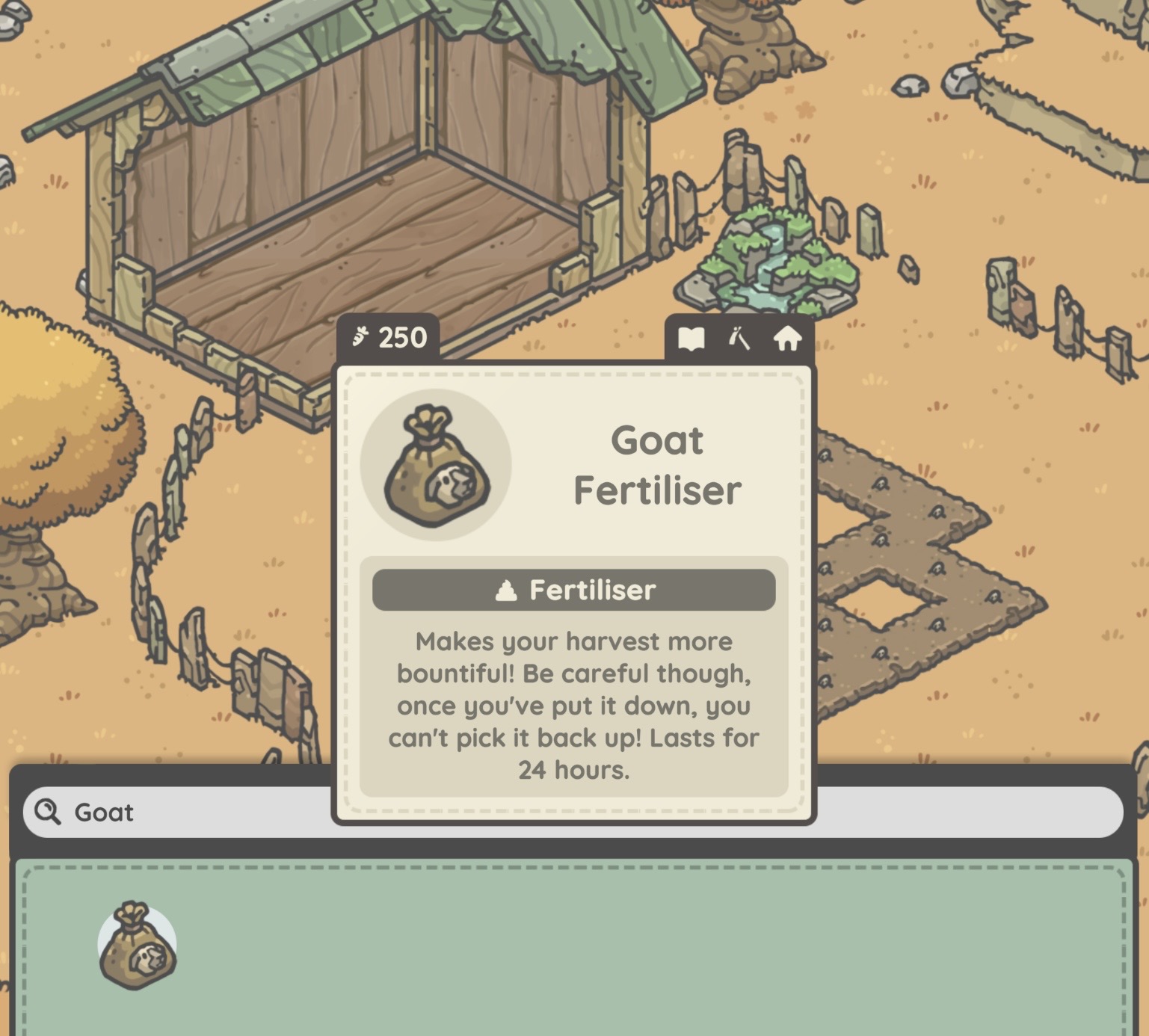
Rosemary also sells goat fertiliser, which increases the harvest from nearby carrot plots. For pumpkins and watermelons, fertiliser speeds up growth rather than increasing the number harvested.
A carrot plot normally produces 20 carrots. With the fertiliser boost, it produces 30.
The fertiliser lasts 24 hours, then disappears. Once placed, it cannot be moved, so check its position before putting it down.
Whether it’s worth buying depends on how many plots it reaches and how often you plan to harvest.
If you rarely check your farm, the extra carrots may not justify the cost. But if you harvest several times during the day, fertiliser can be helpful.
What Are Strange Crops?
Occasionally, you might harvest a Strange Crop instead of an ordinary one.
These unusual versions are worth five times as much as their regular counterparts.
Clovers can increase your chances of growing Strange Crops, although they also slow down crop growth.
The trade-off is worth understanding before filling your farm with clovers. A higher chance of valuable crops doesn’t automatically mean you’ll earn carrots faster.
For casual players, experimenting with a few clovers can be more enjoyable than trying to build a perfectly optimized farm.
Which Crops Should You Grow?
The best crop depends on how often you play.
| Your playing style | What to try |
|---|---|
| Checking every couple of hours | Carrots and pumpkins |
| Playing once or twice a day | Carrots and watermelons |
| Enjoying experiments | Clovers and Strange Crops |
Pumpkins require the most attention because they can rot. Watermelons are more forgiving, while ordinary carrots are reliable and require very little planning.
Homecoming offers additional farming crops and equipment, but you don’t need the expansion to enjoy the basic farm.
Making Your Farm Your Own
You can also decorate the grassy area and shed around your farm.
A few plants, outdoor decorations, or pieces of furniture can make the space feel more personal.
There’s no requirement to turn every available corner into a productive farming area. You might prefer a tidy layout, a cozy garden, or something completely playful.
That’s part of what makes Tsuki’s Odyssey enjoyable: you can spend time improving your farm without worrying about winning or losing.
A Few Carrots at a Time
Farming is a useful part of Tsuki’s Odyssey, especially when you’re saving for an expensive piece of furniture.
You can keep things simple with regular carrot harvests or explore different growing techniques as you become familiar with the game.
And when you feel like taking a break from gardening, fishing is another way to earn carrots. Our Tsuki’s Odyssey Fishing Guide explains where to fish and how the daily bounties work.