Discover Hello Kitty’s personality, family, worldwide popularity, and lasting influence on Japanese kawaii culture.

The Iconic Charm of Hello Kitty
Hello Kitty has been part of Japanese pop culture for more than fifty years. What began as a character on a small coin purse has grown into an international phenomenon, appearing on everything from school supplies to designer handbags.
Her popularity spans generations, but what makes Hello Kitty such an enduring favourite?
Who Is Hello Kitty?
Hello Kitty’s full name is Kitty White. According to Sanrio’s official character profile, she lives in the suburbs of London with her family, including her twin sister, Mimmy.
She’s described as cheerful, kind, and friendly. She loves baking cookies, making new friends, and collecting cute things.
Although many people think of Hello Kitty as a Japanese cat, Sanrio describes her as a little girl character rather than an ordinary pet. Her appearance is feline, but her personality and daily activities are distinctly human.
Hello Kitty was originally designed by Yuko Shimizu for Sanrio in 1974. If you’re interested in how the famous design came about, you can read our article about Yuko Shimizu and the creation of Hello Kitty.
Why Is Hello Kitty So Popular?
Hello Kitty’s design is remarkably simple. Her familiar red bow and minimal facial details make her easy to recognize, even when she’s wearing different outfits or appearing in themed collections.
For many fans, she brings back memories of childhood stationery and favourite accessories. Others discover her through fashion collaborations, character shops, or themed attractions.
Her ability to appeal to different generations has helped her remain popular long after many other characters have faded from view.
Hello Kitty and Japanese Kawaii Culture
Hello Kitty played an important role in introducing Japanese kawaii culture to international audiences.
When Sanrio began expanding overseas, her image appeared on a growing range of everyday products. This helped make Japanese character merchandise familiar to people who might otherwise have had little exposure to kawaii culture.
Today, she shares the spotlight with other Sanrio favourites, including Cinnamoroll, Kuromi, and My Melody.
Hello Kitty Beyond Stationery
Although Hello Kitty started on a small coin purse, her world has expanded considerably.
Fans can find her on plush toys, clothing, cosmetics, home accessories, and collectible figures. Seasonal collections and collaborations offer new interpretations of her familiar design.
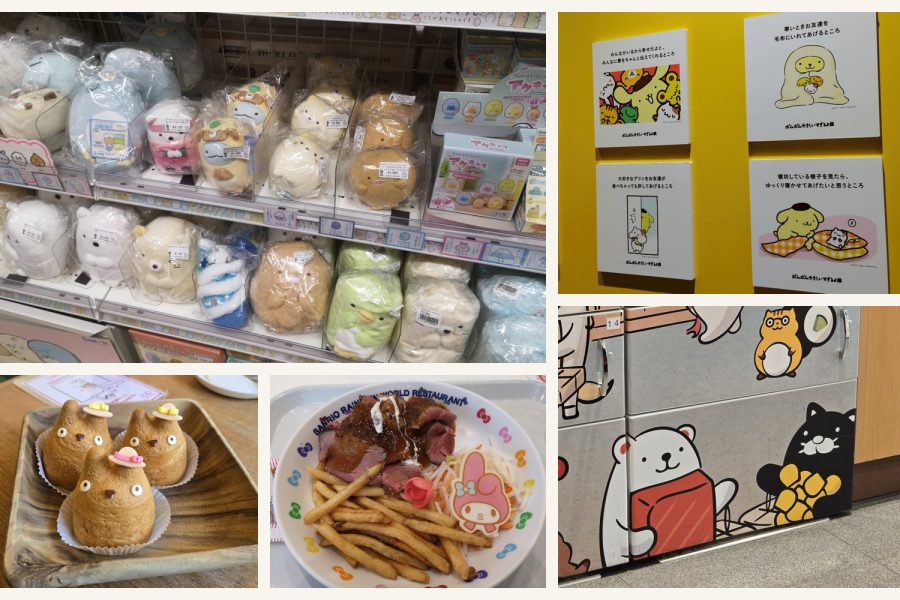
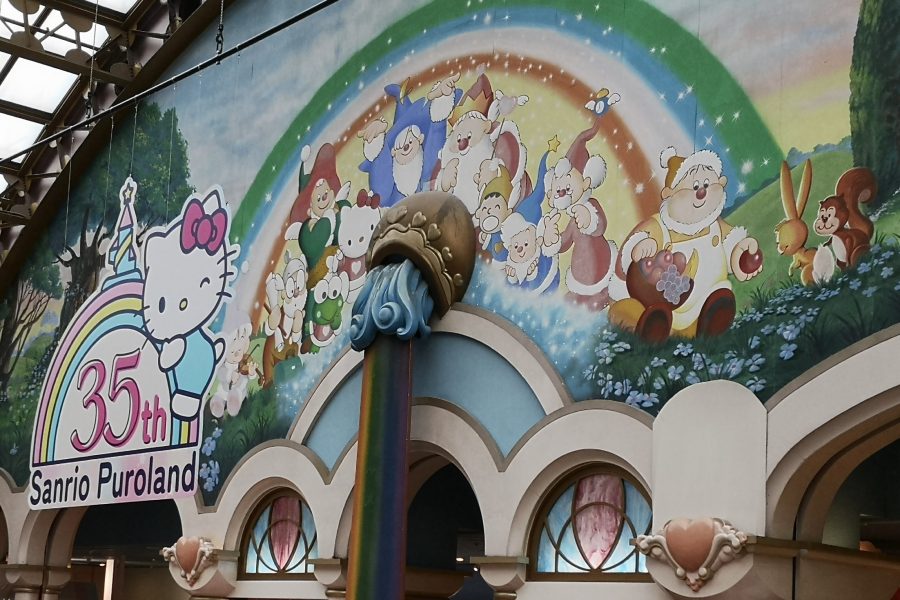
There are also Hello Kitty cafés, shops, and themed attractions. In Japan, Sanrio Puroland brings several Sanrio characters together through shows, themed spaces, and merchandise.
For collectors, the variety is part of the appeal. Some prefer vintage Hello Kitty items, while others look for limited-edition designs or practical accessories they can use every day.
Why Hello Kitty Still Matters
Hello Kitty has become more than a character on merchandise. She’s a familiar part of childhood memories, personal collections, and Japanese pop culture.
Her continued popularity shows how a character can remain relevant across generations, even as fashions and tastes change.
To discover more of the artists and designers behind beloved characters, visit our guide to ten kawaii artists and character designers.