Explore Japanese kawaii fashion styles, including Decora, Lolita, Fairy Kei, and Yume Kawaii, with ideas for incorporating cuteness into everyday outfits.
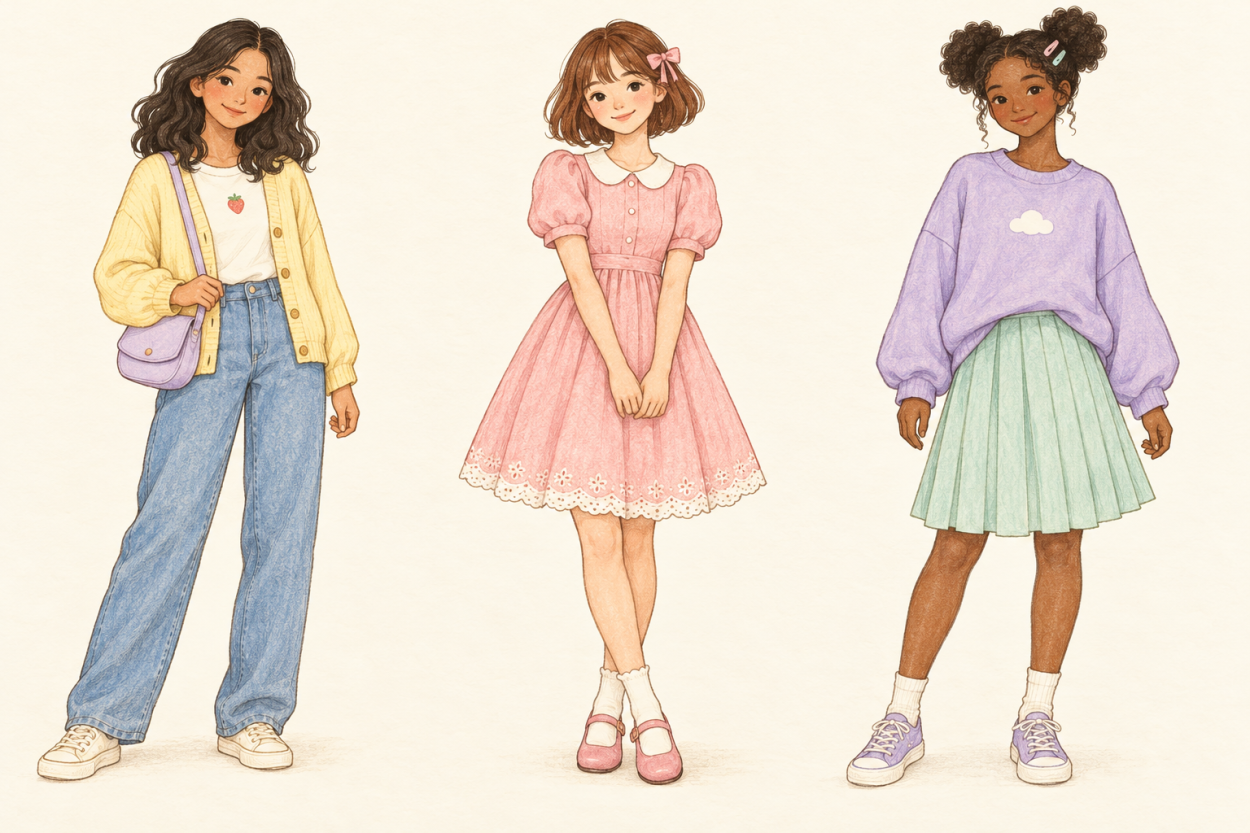
Kawaii Fashion: Japanese Styles and How to Wear Them
Kawaii fashion is about much more than pastel pink outfits and Hello Kitty accessories. In Japan, cuteness has inspired several distinctive fashion styles, from the colorful chaos of Decora to the vintage-inspired elegance of Lolita.
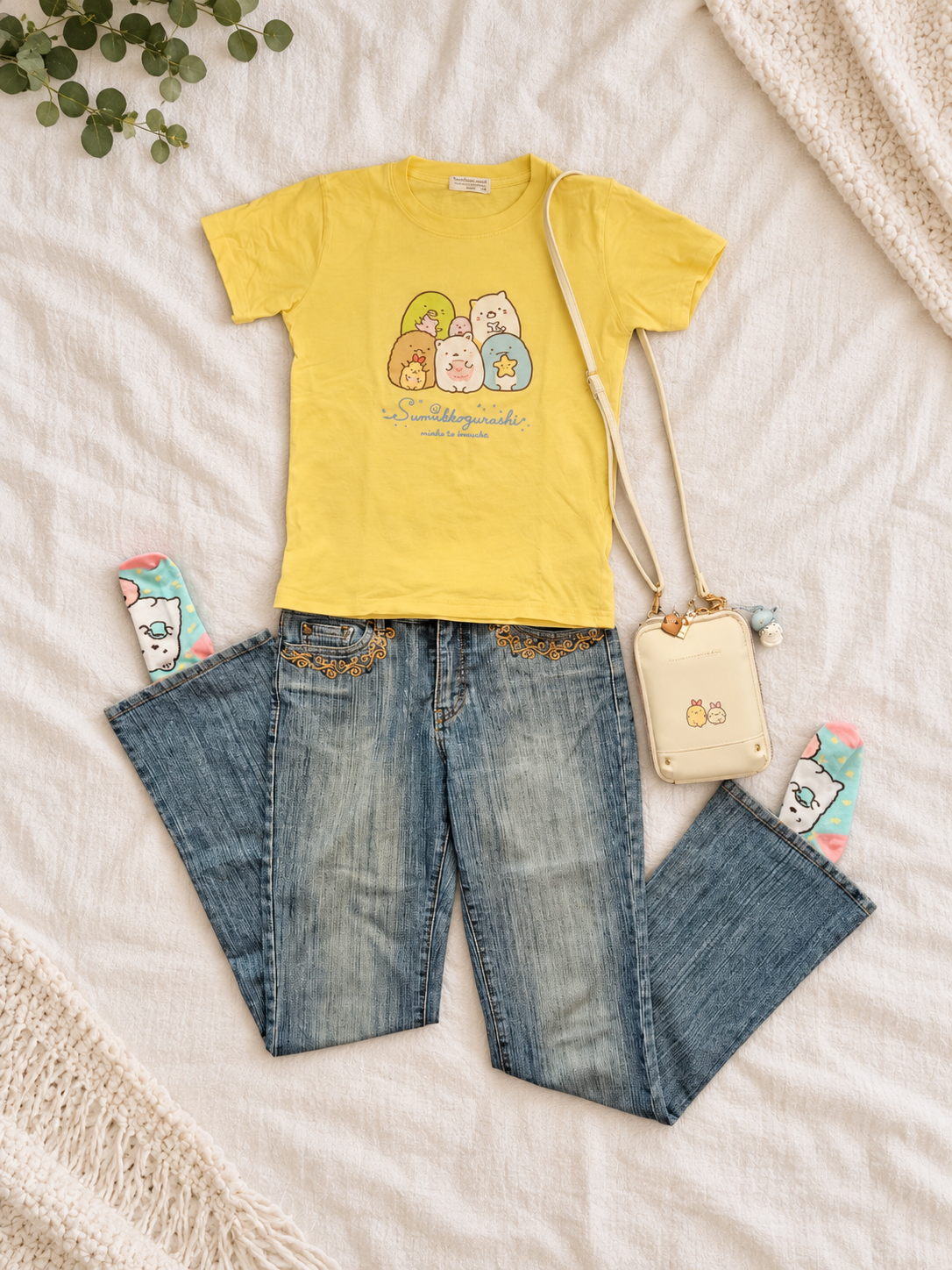
You don’t have to dress entirely in one style to enjoy kawaii fashion, either. Sometimes a character sweater or an unusual pair of socks is enough to bring a little personality to an everyday outfit.
What Is Kawaii Fashion?
Kawaii is the Japanese word for cute, but kawaii fashion covers a wide range of looks. Some are sweet and delicate, while others are bold, theatrical, or deliberately unconventional.
Japanese street fashion helped popularize many of these styles, particularly in Tokyo’s Harajuku district. Anime, manga, music, and character merchandise have also influenced how kawaii fashion has developed.
What makes the different styles interesting is that they don’t all have the same idea of what cute should look like.
Popular Japanese Kawaii Fashion Styles
Decora
Decora is all about decoration. Bright clothing becomes the backdrop for layers of hair clips, necklaces, bracelets, badges, and playful accessories.
Rather than choosing one statement piece, Decora builds its look through abundance. The result is colorful, busy, and immediately recognizable.
Lolita Fashion
Lolita fashion takes inspiration from historical European clothing, particularly Victorian and Rococo styles.
Its defining feature is usually a structured, bell-shaped or A-line skirt worn with a petticoat. Blouses, dresses, decorative headwear, and carefully coordinated shoes complete the outfit.
Sweet Lolita often incorporates pastel colors and playful motifs, while Gothic and Classic Lolita explore different moods.
Despite the name, Japanese Lolita fashion is unrelated to the themes of Nabokov’s novel.
Fairy Kei
Fairy Kei has a softer, nostalgic appearance inspired partly by 1980s toys and pop culture.
Pastel sweaters, fluffy textures, vintage-style prints, and playful motifs are common. It’s an especially recognizable style for anyone who loves retro character merchandise.
Yume Kawaii
Yume means dream in Japanese, which gives you a good idea of this style’s inspiration.
Yume Kawaii uses dreamy imagery, delicate colors, fantasy motifs, and an almost storybook-like atmosphere. It can overlap visually with Fairy Kei, but the two aren’t interchangeable.
Pastel Goth
Pastel Goth combines elements associated with gothic fashion with softer colors and playful graphics.
Skulls, bats, black clothing, pastel hair, and contrasting accessories may appear together. It shows how kawaii influences can extend beyond traditionally sweet-looking outfits.
Does Kawaii Fashion Have to Be Pastel?
Not at all.
Although pastel colors are common in several styles, Decora often uses vivid colors, Gothic Lolita can be predominantly black, and some outfits combine cute character details with ordinary streetwear.
You also don’t need an elaborate wardrobe. Someone might enjoy wearing a Cinnamoroll sweatshirt with jeans, while another person might put together a carefully coordinated Lolita outfit.
Both can express an appreciation for kawaii aesthetics, even though they’re very different approaches to clothing.
Adding Kawaii Details to Your Everyday Wardrobe
If you’re curious about kawaii fashion but don’t want to invest in an entirely new wardrobe, start with clothes you already enjoy wearing.
A character T-shirt can work with a denim skirt or comfortable trousers. A patterned cardigan can make a simple outfit more interesting. Even choosing a bag featuring a favorite Sanrio character can change the overall look.
For more ideas, our guide to kawaii accessories explores smaller additions that can work with everyday clothing.
And if jewelry is your favorite way to personalize an outfit, we’ve also written about choosing and styling kawaii jewelry.
The important thing is to choose pieces you’ll actually enjoy wearing rather than trying to follow every fashion trend.
Finding Your Own Kawaii Style
One of the most interesting things about kawaii fashion is how different its styles can be. Someone who loves the theatrical silhouettes of Lolita might not be interested in the crowded accessories of Decora, and that’s perfectly fine.
Exploring these styles can be a way to discover new combinations, whether you prefer vintage-inspired dresses, cheerful character clothing, or a few cute details mixed into your usual wardrobe.